

 See My Latest Article on HelloNation
Clogged drains are common in area households, but the wrong clearing method can damage pipe joints, loosen fittings, harm older plumbing, or create a more serious blockage. The safest approach is to begin with the least aggressive method and move gradually to stronger tools only when necessary.
What should be tried first for a slow or clogged drain?
Start by removing visible debris and using a properly fitted plunger. Avoid chemical drain cleaners until the cause of the blockage is better understood.
A slow drain usually indicates buildup rather than a complete obstruction. Hair, soap residue, food particles, grease, and sediment can narrow the inside of a pipe over time. In bathroom drains, remove the stopper or strainer and pull out any material that is easy to reach. A plastic drain-cleaning strip can help collect hair near the opening, but it should be used gently and discarded afterward.
For a sink, add enough water to cover the bottom of the plunger cup. If the sink has a second basin, block that opening with a damp cloth. In a bathroom sink, cover the overflow opening with a cloth to improve pressure. Press the plunger firmly over the drain and use several controlled strokes rather than violent pumping.
After plunging, run warm water for a short period. Very hot tap water may help soften soap or grease, but boiling water is not appropriate for every plumbing system. Repeated exposure to boiling water can stress certain plastic components, damage seals, or soften nearby pipe connections.
How can a plunger be used without damaging the drain?
A plunger works through pressure changes, so technique matters more than force. Keep the rubber cup sealed over the drain and push steadily. Pulling upward often helps loosen the obstruction, while excessive downward force may push the blockage deeper into the line.
Use the correct plunger for the fixture:
- A flat-cup sink plunger is suited to sinks and tubs.
- A flange plunger is designed for toilets and creates a better seal in the bowl.
- A toilet auger is safer for a stubborn toilet blockage than a standard metal drain snake.
Do not continue plunging if water begins backing up from another fixture, if the pipe connection moves, or if there is a sudden leak beneath the sink. Those signs may indicate a larger drainage problem or a weak connection that should not be subjected to additional pressure.
Is baking soda and vinegar safe for household pipes?
Baking soda followed by vinegar is generally less hazardous than caustic chemical drain cleaner, but it is not a dependable solution for every clog. The bubbling reaction may loosen light surface residue, yet it usually cannot break through a dense hair mass, a solid grease blockage, or an obstruction farther down the line.
If used, remove standing water first and avoid combining the mixture with any commercial drain product. Never mix vinegar, baking soda, bleach, ammonia, or chemical drain cleaners. Different products can create toxic fumes, heat, or pressure inside the plumbing.
A safer routine for minor buildup is to flush a kitchen drain periodically with warm water and a small amount of dish soap. This may help with fresh grease, but it will not correct a recurring blockage caused by a damaged pipe, improper slope, or a full drain line.
When is a hand auger appropriate?
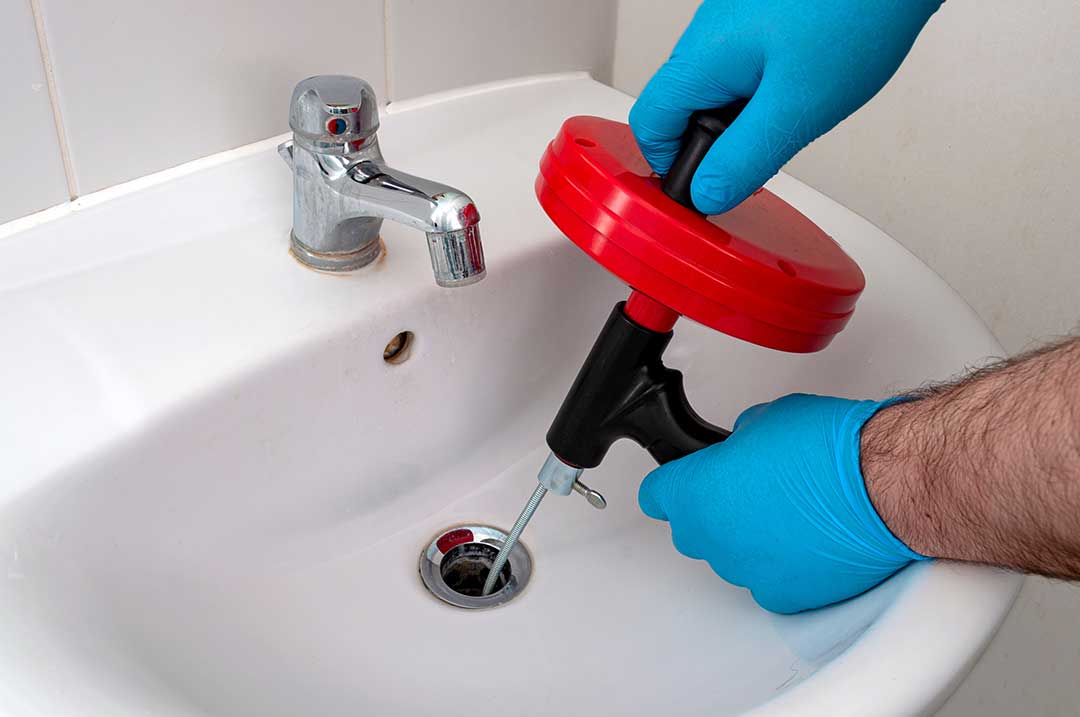
A hand auger, sometimes called a drain snake, can clear a blockage beyond the drain opening without relying on corrosive chemicals. It should be used slowly and with light pressure.
Feed the cable into the drain until resistance is felt. Turn the handle gradually while advancing a small amount at a time. If the cable catches, rotate it gently to engage the obstruction, then withdraw it carefully. Do not force the cable through a hard stop. Excessive pressure can damage a trap, scratch a fixture, or cause the cable to kink inside the pipe.
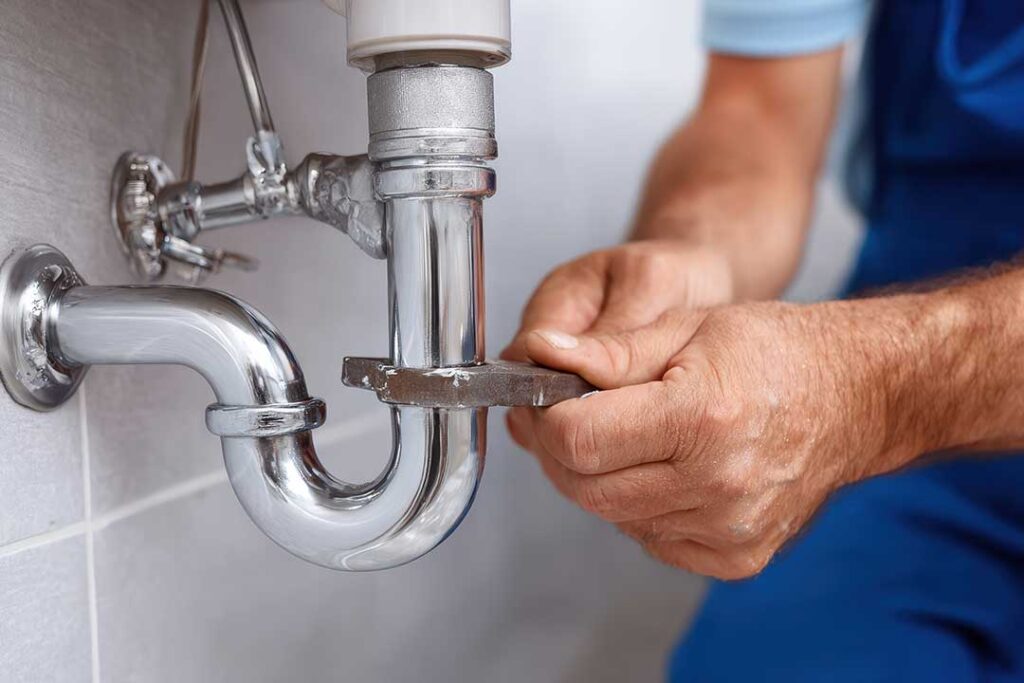
For a bathroom sink, the trap beneath the fixture may need to be removed and cleaned. Place a bucket underneath, loosen the connections carefully, and inspect the trap for hair or sediment. Replace worn washers before reassembling, and run water slowly while checking for leaks.
A drain snake should not be used casually in a toilet. A standard metal cable can scratch the porcelain surface or become stuck. A toilet-specific auger is designed to follow the fixture’s shape more safely.
Why should chemical drain cleaners be used cautiously?
Chemical drain cleaners can create more problems than they solve, particularly in older or mixed-material plumbing systems. Many contain caustic ingredients that generate heat while reacting with the blockage. That heat can affect plastic fittings, seals, and pipe surfaces, while leftover chemicals may remain in standing water.
Chemical products also create a hazard if plunging or snaking is attempted afterward. Splashback can burn skin and eyes, and fumes may be released in poorly ventilated bathrooms or under-sink cabinets.
Never use a plunger, auger, or trap-removal method immediately after pouring a chemical cleaner into the drain unless the product has been fully removed according to its label instructions. Keep children and pets away from the area, wear appropriate eye and skin protection, and do not mix different drain products.
For most household clogs, mechanical methods are easier to control and provide more information about the location and type of obstruction.
What local conditions can contribute to clogged drains?
Warm, humid weather can encourage mold, mildew, and residue around bathroom fixtures. Homes that are closed for part of the year may also have dry traps, accumulated debris, or neglected drains when residents return.
In kitchens, outdoor cooking and seasonal gatherings can increase the amount of grease, food scraps, and fibrous waste entering the sink. In bathrooms, sand and fine grit brought indoors can combine with soap residue and settle in drain traps. Older homes or properties with mature landscaping may also experience root intrusion or shifting underground lines, although those problems usually cause recurring or multiple-fixture symptoms rather than a single isolated clog.
Avoid rinsing grease, coffee grounds, rice, flour, eggshells, wipes, or paper towels into a drain. Use strainers in sinks and hair catchers in showers. These inexpensive barriers prevent many blockages before they begin.
When does a clog require more than a simple clearing method?
A single slow drain can often be addressed with cleaning, plunging, or a carefully used hand auger. More extensive symptoms suggest that the obstruction may be in a branch line or the main drain.
Pay attention to:
- Several fixtures draining slowly at the same time
- Water backing up into a tub, shower, or floor drain
- Gurgling sounds from toilets or sinks
- Sewage odors that persist after cleaning
- A clog that returns within days or weeks
- Wet spots, sink cabinet leaks, or unexplained water damage
- A toilet that repeatedly loses water or bubbles when another fixture drains
Stop using affected fixtures if wastewater is backing up. Avoid opening a trap or using a snake when chemical cleaner may still be present in the line. Persistent blockages, suspected pipe damage, sewage exposure, or an obstruction near the building drain can involve health and safety risks that require specialized equipment and controlled handling.
A careful unclogging process protects both the immediate fixture and the larger plumbing system: remove accessible debris, plunge with controlled pressure, use a suitable auger only when appropriate, and avoid mixing chemicals. That sequence resolves many minor problems while reducing the chance of turning a simple clog into a damaged pipe or contaminated work area.