

 See My Latest Article on HelloNation
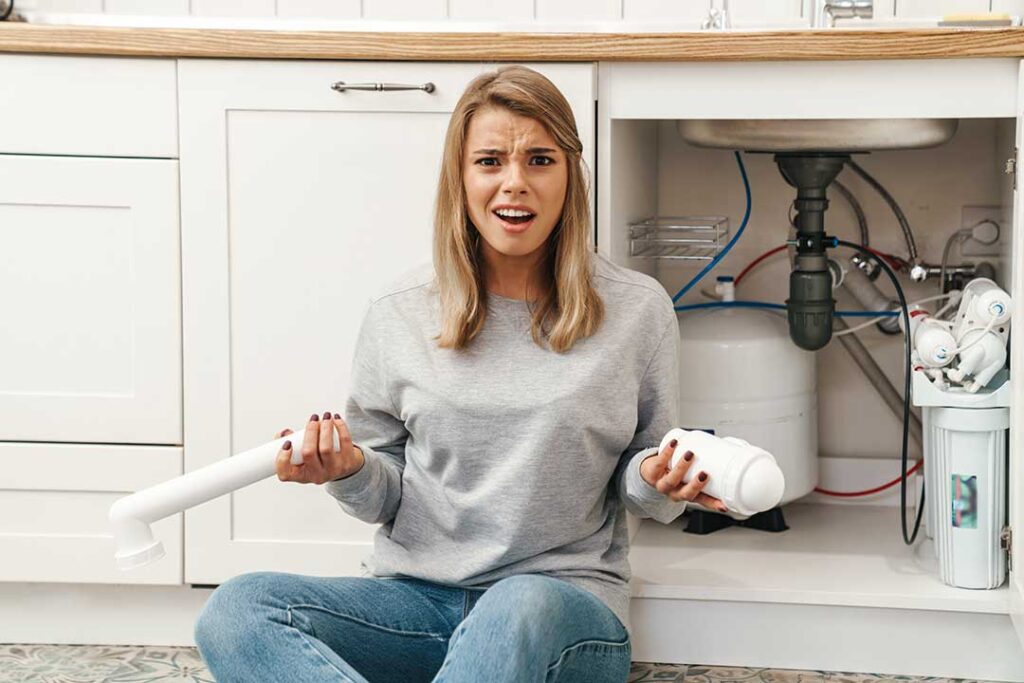
Cold weather is uncommon in North Port, FL, but occasional winter freezes can still damage exposed plumbing. The most reliable prevention is to keep vulnerable pipes warmer than freezing, protect outdoor fixtures, and know how to shut off the home’s water quickly if a pipe begins to leak.
Why can pipes burst during a Florida cold snap?
A pipe does not usually burst because ice fills its entire length. Instead, freezing water can form a solid blockage that traps liquid water between the ice and a closed fixture or another blockage. As pressure rises in that trapped section, the pipe may split.
The break may occur away from the frozen area, sometimes inside a wall, ceiling, cabinet, attic, garage, or crawl space. Water may not appear until the ice melts and pressure returns. This is why a faucet that suddenly stops flowing during a freeze should be treated as a warning rather than a minor inconvenience.
Homes in this region can be more vulnerable than residents expect because many are designed for warm weather rather than prolonged freezing conditions. Plumbing may run through unheated garages, exterior walls, outdoor cabinets, lanais, utility areas, or other spaces with limited insulation.
Which pipes are most likely to freeze?
The highest-risk plumbing is located where cold air can reach it directly or where heated indoor air does not circulate well. Check these areas before a forecast freeze:
- Outdoor hose bibs and the pipes connected to them
- Above-ground irrigation and pool plumbing
- Pipes inside unheated garages, sheds, and utility enclosures
- Water lines beneath sinks on exterior walls
- Plumbing in attics, crawl spaces, and rooms with little insulation
- Vacant homes with the heat turned off
- Small sections of pipe near wall openings, vents, doors, and windows
A pipe can freeze even when the main living areas feel comfortable. The temperature inside a closed cabinet or unheated utility space may fall much lower than the thermostat reading.
What should be done before freezing weather arrives?
The first step is to monitor the forecast for a freeze warning or a night expected to reach near-freezing temperatures. Do not wait for visible frost. Pipes can be affected during a prolonged cold period, especially when wind enters through gaps around doors, vents, or exterior penetrations.
Before the coldest part of the night:
1. Disconnect garden hoses from outdoor faucets.
2. Drain hoses and store them indoors if possible.
3. Close indoor shutoff valves serving hose bibs, then open the outdoor faucet briefly to drain the remaining water.
4. Cover exposed outdoor faucets with an insulated cover or another suitable protective material.
5. Remove or protect hoses and fittings attached to irrigation or pool equipment.
6. Open cabinet doors beneath sinks on exterior walls so warmer indoor air can circulate.
7. Close garage doors and repair obvious gaps that allow cold air to blow directly onto plumbing.
8. Keep the home heated, even if the house is temporarily unoccupied.
Do not rely on wrapping a pipe while leaving a hose attached to an outdoor faucet. A connected hose can trap water and prevent proper drainage.
Should faucets be left dripping?
A slow drip can reduce the chance of freezing in vulnerable indoor plumbing during an unusually cold night, particularly when water lines are exposed to cold air or the home has limited insulation. Use a small, steady flow rather than running a faucet fully open.
This step is not a substitute for insulation, drainage, or indoor heat. It also does not protect every part of a plumbing system. If using a drip, choose a faucet supplied by a vulnerable line and leave the cabinet doors open beneath it.
Avoid allowing large amounts of water to run continuously. A small drip is intended to relieve pressure and maintain movement, not to waste water or overload a drain.
How should outdoor plumbing be protected?
Outdoor plumbing should be drained whenever possible, not merely covered. Insulation helps slow heat loss, but it cannot keep a water-filled pipe warm indefinitely during an extended freeze.
For outdoor fixtures:
- Disconnect hoses and drain them.
- Close the interior shutoff valve if one is available.
- Open the exterior faucet briefly after shutting off the supply.
- Protect the faucet with an insulated cover.
- Cover exposed irrigation backflow devices and above-ground piping.
- Follow the equipment manufacturer’s winterizing instructions for pools and irrigation systems.
Do not use an open flame, charcoal heater, or improvised combustion device to warm a pipe. These methods can start a fire or create dangerous fumes. Electric heating products should only be used if they are specifically designed for pipe protection and installed according to their instructions.
What if a faucet stops flowing during a freeze?
A sudden reduction or complete loss of water from one faucet may indicate a frozen pipe. Keep the faucet open slightly while warming the suspected section. This gives expanding water a path to escape as the ice melts.
Use gentle heat from a hair dryer, warm towels, or a similar safe source. Begin near the faucet and work toward the colder section. Never leave a heating device unattended, and keep electrical equipment away from standing water.
If the pipe is inside a wall, ceiling, or inaccessible space, do not cut into the structure or apply intense heat. Locate the home’s main water shutoff so it can be closed immediately if the pipe splits. A leak, bulge, crack, spraying sound, or unexplained water should be treated as an urgent plumbing problem.
If the water cannot be shut off, the damaged pipe is near electrical wiring, or water is entering an occupied area, move away from the hazard and seek qualified emergency assistance.
What should seasonal residents do before leaving a home vacant?
A vacant home can suffer major damage because a small leak may continue for hours before anyone notices it. Before leaving for an extended period during winter:
- Keep the heating system operating at a safe setting.
- Ask a trusted person to check the property after a freeze.
- Make sure the main water shutoff is accessible and clearly identified.
- Consider shutting off the main water supply if the plumbing system and household needs allow it.
- Drain vulnerable outdoor fixtures.
- Leave cabinet doors open where plumbing is exposed to exterior walls.
- Test smoke alarms and confirm that heating equipment is operating safely.
Turning off the main water supply can limit damage, but it does not automatically drain every pipe. Some systems require additional steps to remove trapped water.
Does insulation prevent every burst pipe?
No. Insulation slows heat loss but does not create heat. A poorly protected pipe can still freeze if temperatures remain low long enough, especially in an unheated space.
The most dependable protection combines several measures: indoor heat, sealed openings, drained outdoor lines, insulation around exposed plumbing, and occasional checks during a cold snap. These precautions are especially useful in homes with older piping, additions, open garages, or plumbing routed through exterior spaces.
In the local climate, winter pipe protection is usually a response to short cold events rather than a permanent seasonal routine. Preparing before the first significant freeze is far easier than finding a split pipe after temperatures rise and the ice begins to thaw.