

 See My Latest Article on HelloNation
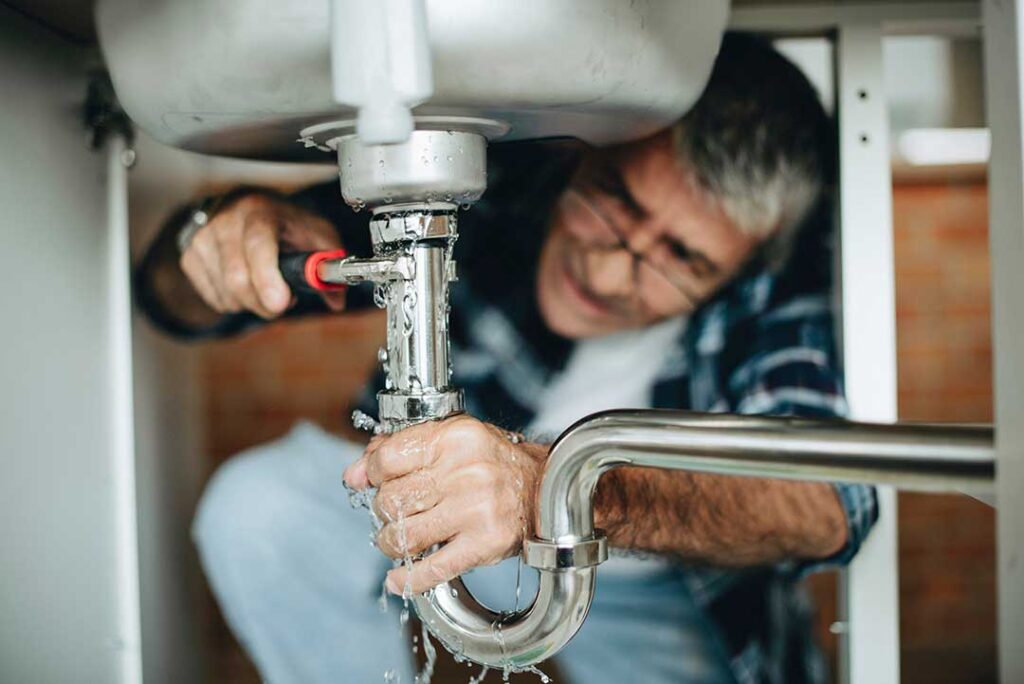
A faucet that seems to drip mostly at night is usually not reacting to darkness or cooler air alone. In most cases, the leak is present during the day but is harder to hear, see, or notice until the home becomes quiet.
For residents in North Port, evening temperature changes, mineral deposits, water pressure, and faucet wear can all contribute to a nighttime drip. The pattern can offer clues about the cause, but it does not always mean the faucet only leaks after sunset.
Why does the dripping seem worse at night?
The most common reason is reduced background noise. During the day, air-conditioning systems, appliances, conversations, traffic, and household activity can mask a slow drip. At night, the same leak may sound unusually loud because there is less competing noise.
Lighting also changes what is visible. A clear drop may be difficult to see during the day, especially inside a stainless-steel or brightly lit sink. Under nighttime lighting, water may reflect off the basin and make each drop easier to notice.
A faucet that drips only after the handle is used may have a worn internal seal. A faucet that continues dripping for hours after use may have a damaged cartridge, valve seat, washer, or other internal component.
Can cooler nighttime temperatures cause a faucet to drip?
Normal nighttime cooling can sometimes change the way a leak appears, but temperature is rarely the root problem. As water and plumbing materials cool, they contract slightly. That small change may allow water to pass through an already worn seal more noticeably.
This can be more apparent during periods of lower outdoor temperatures or when air conditioning cools the room around exposed plumbing. However, ordinary overnight cooling should not cause a properly functioning faucet to leak.
A temperature-related pattern may be worth observing, but repeated dripping usually points to a mechanical issue that was already developing.
What faucet parts commonly cause a nighttime drip?
Different faucet designs fail in different ways, but several components are common sources of leaks:
- Cartridges: Found in many single-handle faucets, cartridges regulate water temperature and flow. Worn or damaged cartridges can allow water to pass after the handle is turned off.
- Washers: Compression-style faucets often use rubber washers that flatten, harden, or wear unevenly.
- Valve seats: Mineral buildup or corrosion around the valve seat can prevent a tight seal.
- O-rings: Small rubber rings can become brittle or lose their shape, causing water to escape around the handle or spout.
- Aerators: A clogged aerator usually affects the flow pattern rather than causing a true leak, but sediment around the outlet can make water appear to drip from the wrong location.
- Supply connections: If water collects below the faucet rather than at the spout, the leak may involve a connection, hose, or shutoff valve instead of the faucet mechanism.
The location of the water is often more useful than the time of day. A drip from the spout suggests an internal shutoff problem. Water around the handle may indicate a seal or O-ring. Moisture under the sink requires a different inspection.
How can mineral deposits affect a dripping faucet?
Mineral deposits can interfere with the tight contact needed for a faucet to shut off completely. Deposits may collect around the valve, cartridge, aerator, or other small passages. Even a thin layer can keep an internal component from sealing properly.
In homes with older fixtures or long periods between maintenance, mineral buildup may make a small leak more persistent. Deposits can also scratch or wear sealing surfaces when the faucet is operated repeatedly.
Do not assume that visible white or chalky material is the only cause. Cleaning the outside of a faucet may improve its appearance without correcting a worn internal part.
Could household water pressure be causing the drip?
Higher-than-expected water pressure can make a weak faucet seal leak more noticeably. Pressure does not usually create a defect in a healthy faucet, but it can expose one sooner or increase the amount of water passing through a worn component.
Pressure may also vary at different times of day as household demand changes. If the drip becomes stronger when no other fixtures are running, pressure could be part of the explanation.
A pressure gauge designed for household plumbing can provide useful information at an appropriate connection point. Testing should be done carefully, and unusually high or fluctuating pressure may require attention because it can affect toilets, washing machines, water heaters, and other fixtures.
What should be checked before taking the faucet apart?
Start by drying the faucet and sink completely. Then observe the leak for several minutes after the handle is shut off. Check whether the water comes from:
- The end of the spout
- Around the handle
- The base of the faucet
- A hose or connection under the sink
- The shutoff valve below the sink
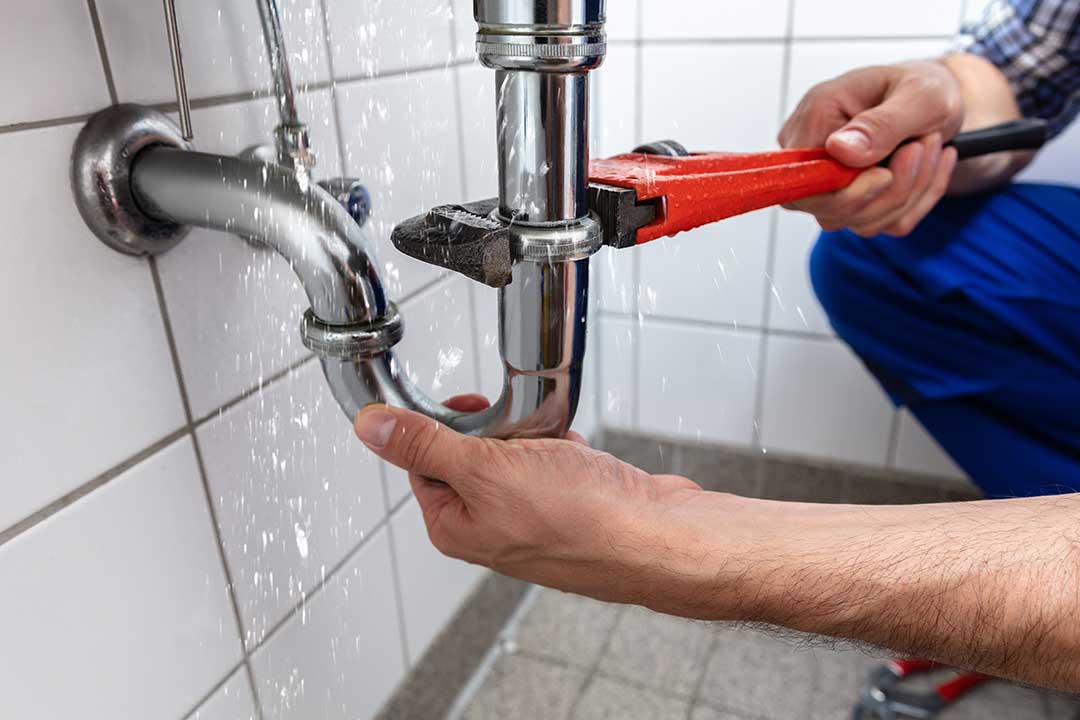
Place a dry paper towel under the supply connections and around the faucet base. This can reveal a slow leak that is difficult to see directly.
Also check whether the faucet drips only after running hot water, only after running cold water, or regardless of temperature. That detail may help distinguish a fixture problem from a temperature-related change in the surrounding plumbing.
If the faucet has separate hot and cold handles, closing each shutoff valve one at a time can help identify which side is leaking. Turn valves gently; forcing an old valve can cause it to break or begin leaking.
Is a dripping faucet wasting much water?
A slow drip may waste only a small amount each day, but the total increases over weeks and months. A steady stream wastes considerably more and may signal a failure that needs prompt attention.
The more serious concern is sometimes hidden water damage. Moisture under a sink can swell cabinet materials, damage flooring, encourage mold growth, or affect stored household items. A drip that reaches electrical components, drawers, or wall materials should not be ignored.
A simple way to estimate the leak is to place a measuring cup beneath the spout for a set period, such as 15 minutes, then calculate the daily amount. This also helps determine whether the leak is occasional or continuous.
When is a faucet problem more urgent?
Immediate attention is appropriate when water is spraying, the shutoff valve will not stop the flow, the cabinet is becoming wet, or the leak is near an electrical outlet or appliance. A faucet that suddenly changes from a drip to a stream can cause substantial water damage quickly.
Extra care is also warranted in homes that are vacant overnight or during seasonal travel. A small leak may continue unnoticed and damage cabinetry or flooring before it is discovered.
Replacing a washer, O-ring, or cartridge may be a reasonable do-it-yourself repair for someone familiar with the faucet design. If the fixture is corroded, the shutoff valve is stuck, the leak is inside the wall, or water cannot be controlled safely, the situation may require qualified plumbing assistance to avoid making the damage worse.
Why should a nighttime drip not be ignored?
A faucet that drips at night is usually showing a developing seal, pressure, deposit, or connection problem rather than a harmless nighttime behavior. Listening carefully, locating the exact source, and checking for moisture under the sink can reveal whether the issue is minor or part of a larger leak.
The nighttime pattern is useful information, but the faucet’s design, leak location, water pressure, and condition of the surrounding cabinet matter more than the hour when the dripping is noticed.